1199
King John and Magna Carta Spotlight

The ideal medieval king

Discover how decoding John’s seal with your students can help their understanding of the expectations of medieval kings, and where John fell disastrously short.
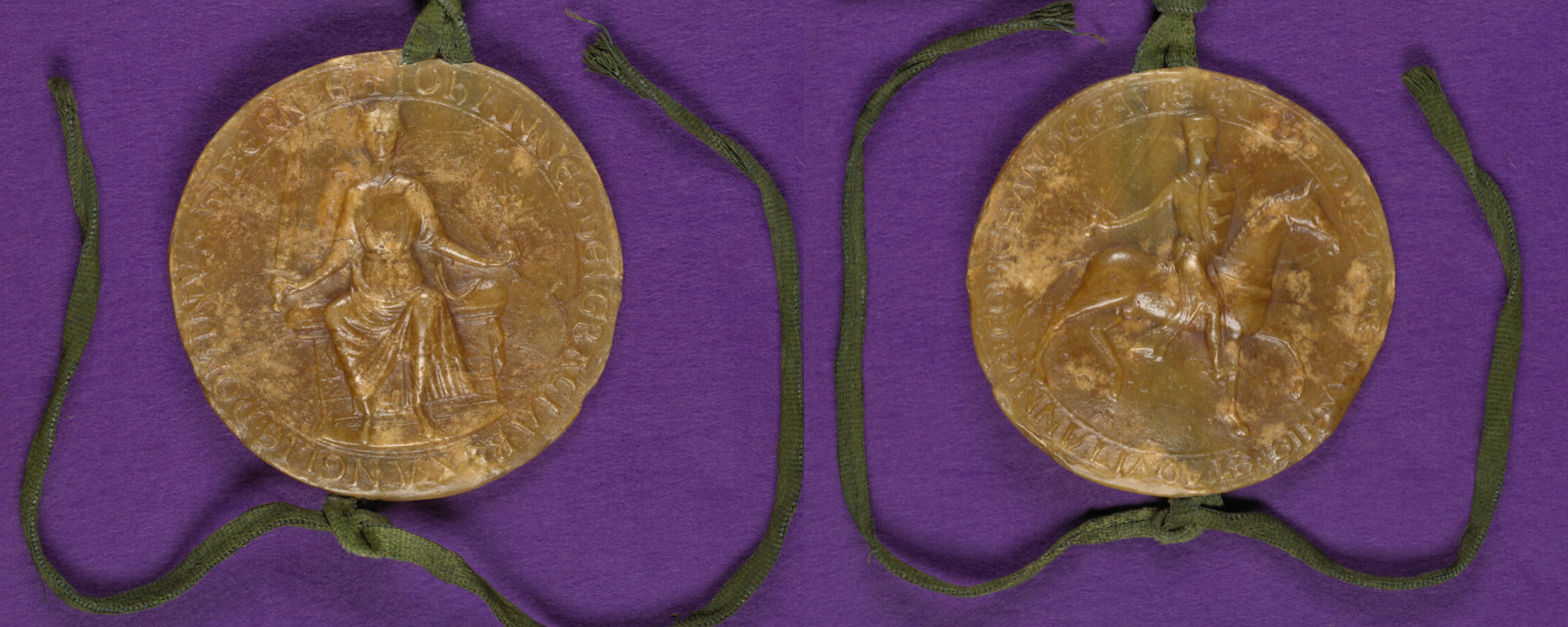
A front and reverse image of a circular wax seal of King John placed on a felt background. The front of the seal depicts John seated on his throne holding a sword to represent justice. On the reverse we see John depicted on horseback, to represent his duty as a military leader.
1208
King John and Magna Carta Stories

Why the Interdict really mattered

1210
King John and Magna Carta Spotlight

Matilda de Braose – more than a gruesome end
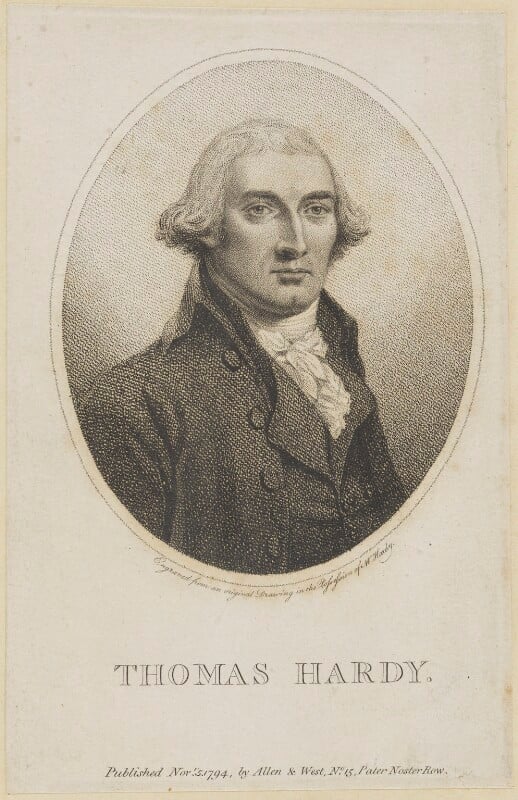
An eighteenth century stipple engraving of a middle-aged man, Thomas Hardy, founder of the London Corresponding Society.
1215
King John and Magna Carta Stories

Magna Carta and English Jews

1217
King John and Magna Carta Stories

The woman who saved England?

1241
Origins of Parliament Spotlight

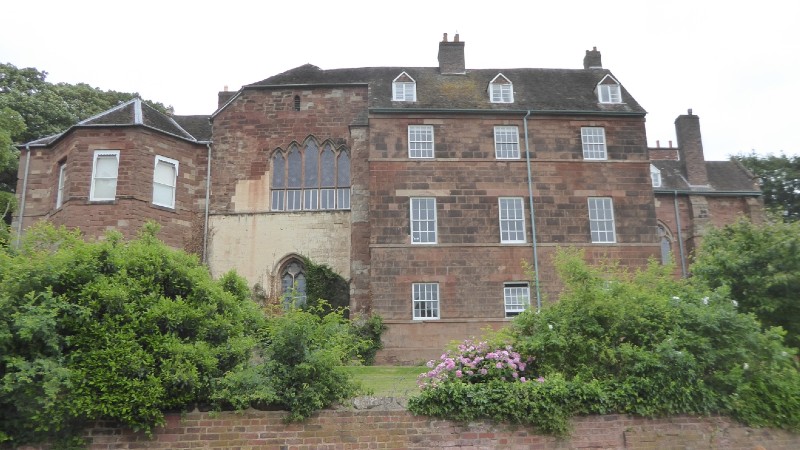
The Worcester ‘Parliament’ of the Jews
1265
Origins of Parliament Stories

Parliament before Montfort

Origins of Parliament Stories

Eleanor de Montfort

1540
Pilgrimage of Grace Spotlight

Walter Hungerford: suppressor and rebel
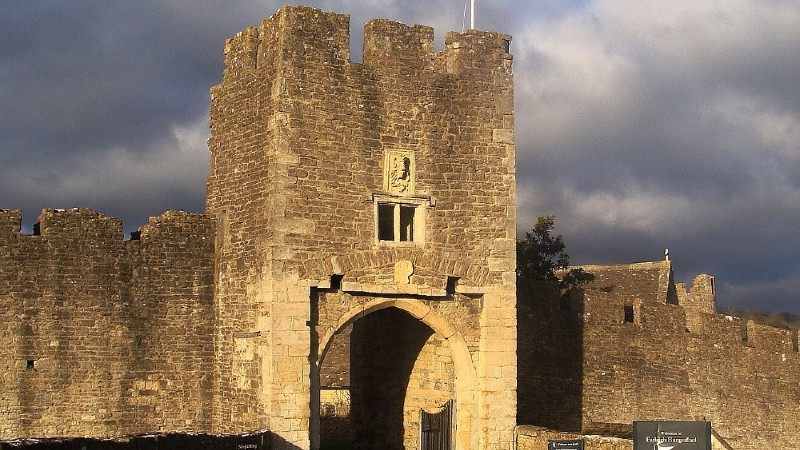
The front gatehouse and walls of a medieval castle, Farleigh Hungerford Castle, on a cloudy day.
1775
American Revolution Stories

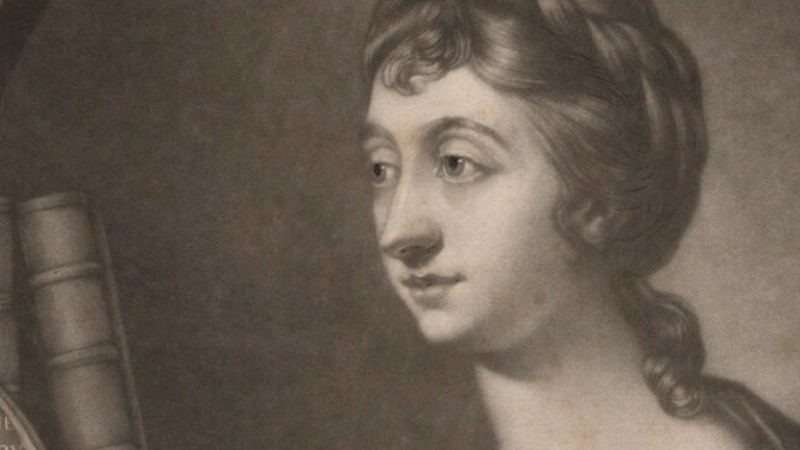
Macaulay and the American Revolution

Historian reacts to the American Revolution.
1834
Nineteenth Century Trade Unions Stories

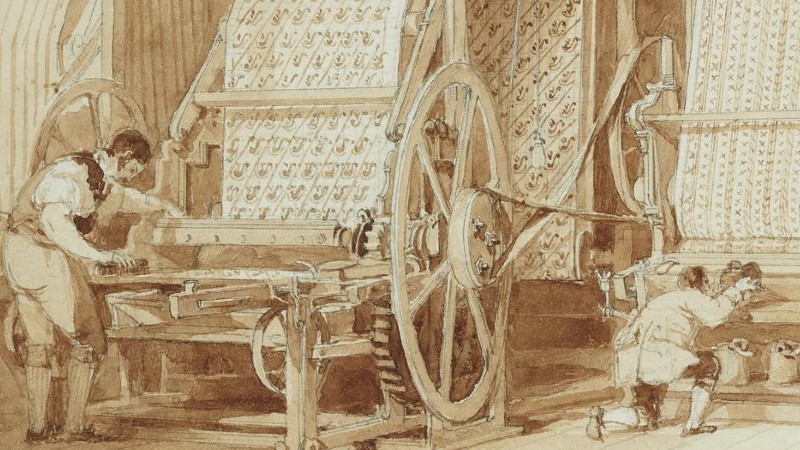
Troops in the Printfields

Discover how the state and employers worked together to combat striking printworkers and protect strike-breaking weavers in Glasgow in 1834.
Nineteenth Century Trade Unions Stories

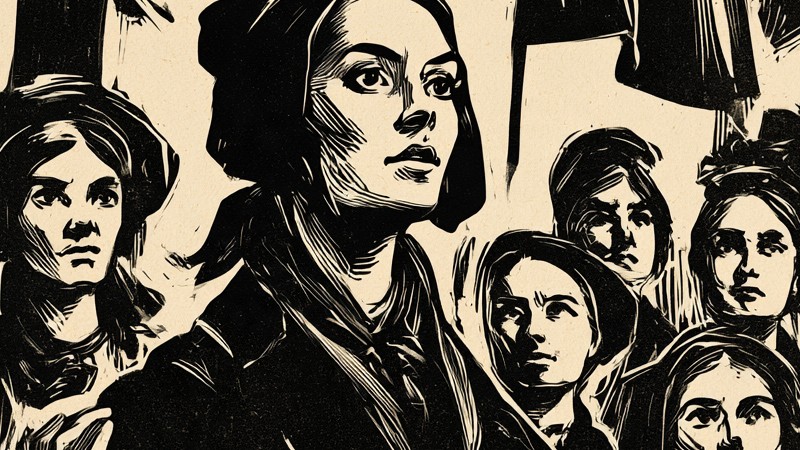
The 1834 Aberdeen Female Union

In the same year as the Tolpuddle Martyrs were arrested and transported, a new Female Union was born in Aberdeen.
1926
Twentieth Century Workers’ Rights Spotlight

‘Little Moscow’: One family and the General Strike

A source-rich local study of the General Strike through a radical family in a radical village.
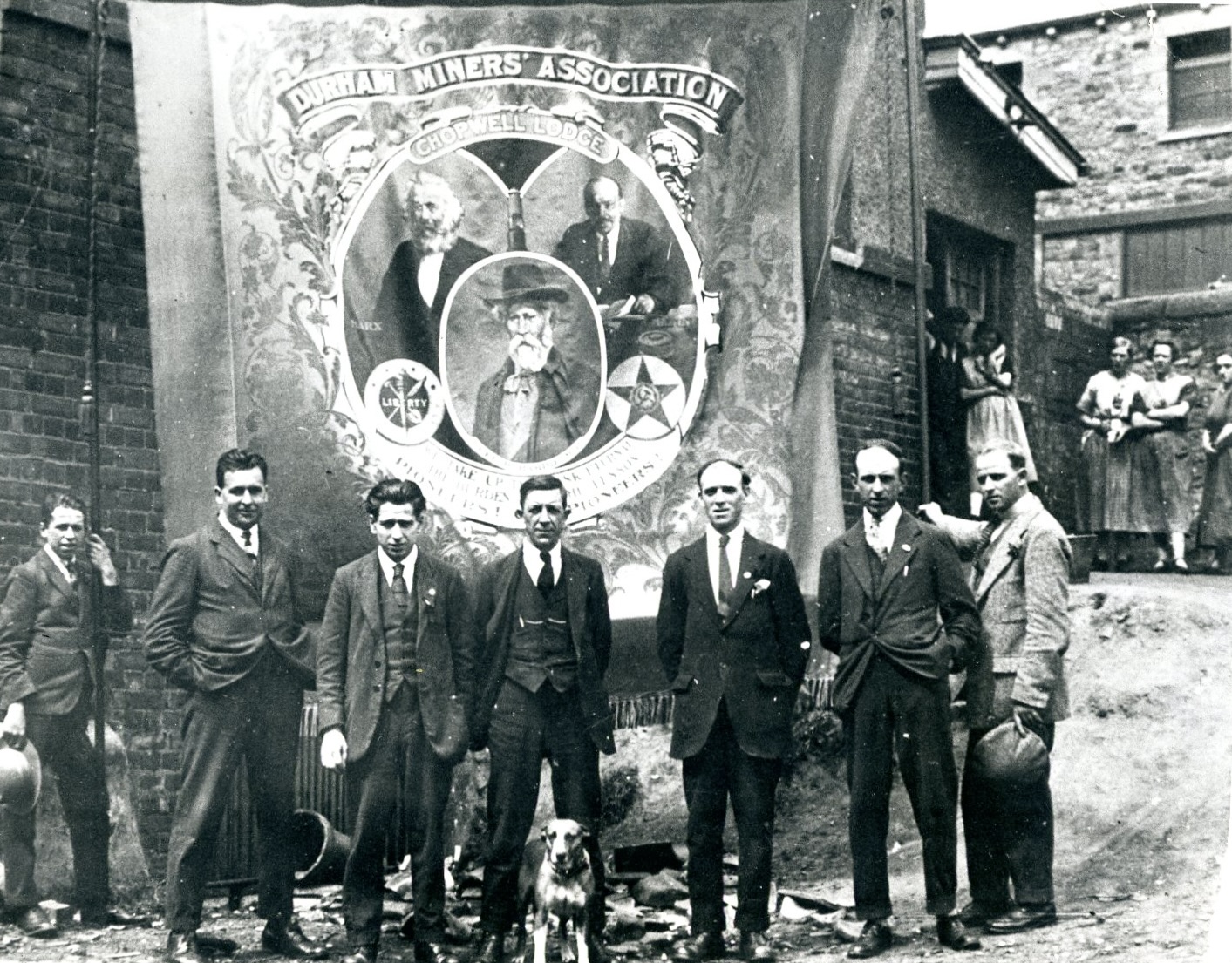
A black-and-white historical photograph of seven working-class men standing outdoors in front of a brick wall, posing before a very large trade union banner. The banner reads
Twentieth Century Workers’ Rights Sources

Jack Forshaw: Dying for the General Strike

A source-rich spotlight on one worker’s sacrifice and the grassroots publications the government feared in the General Strike.
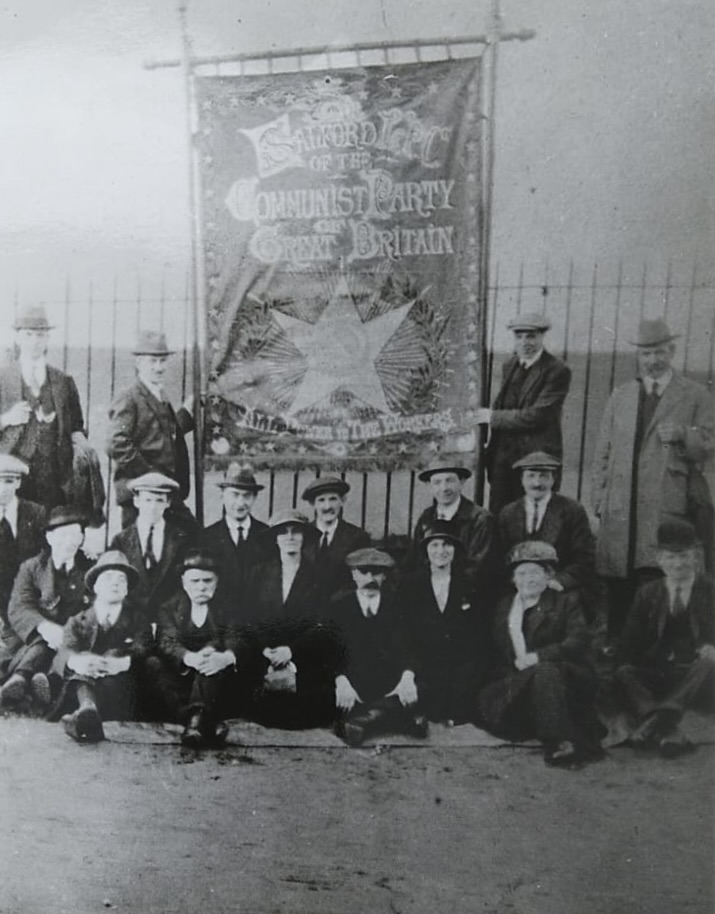
A grainy, black-and-white historical photograph of a group of striking workers or activists posing outside in front of a metal fence. Two men in suits and hats stand holding up a large fabric banner that reads
Twentieth Century Workers’ Rights Sources

Ellen Wilkinson: Communicating the General Strike

A source-rich round-up of the General Strike and its aftermath through the eyes of MP and writer Ellen Wilkinson.
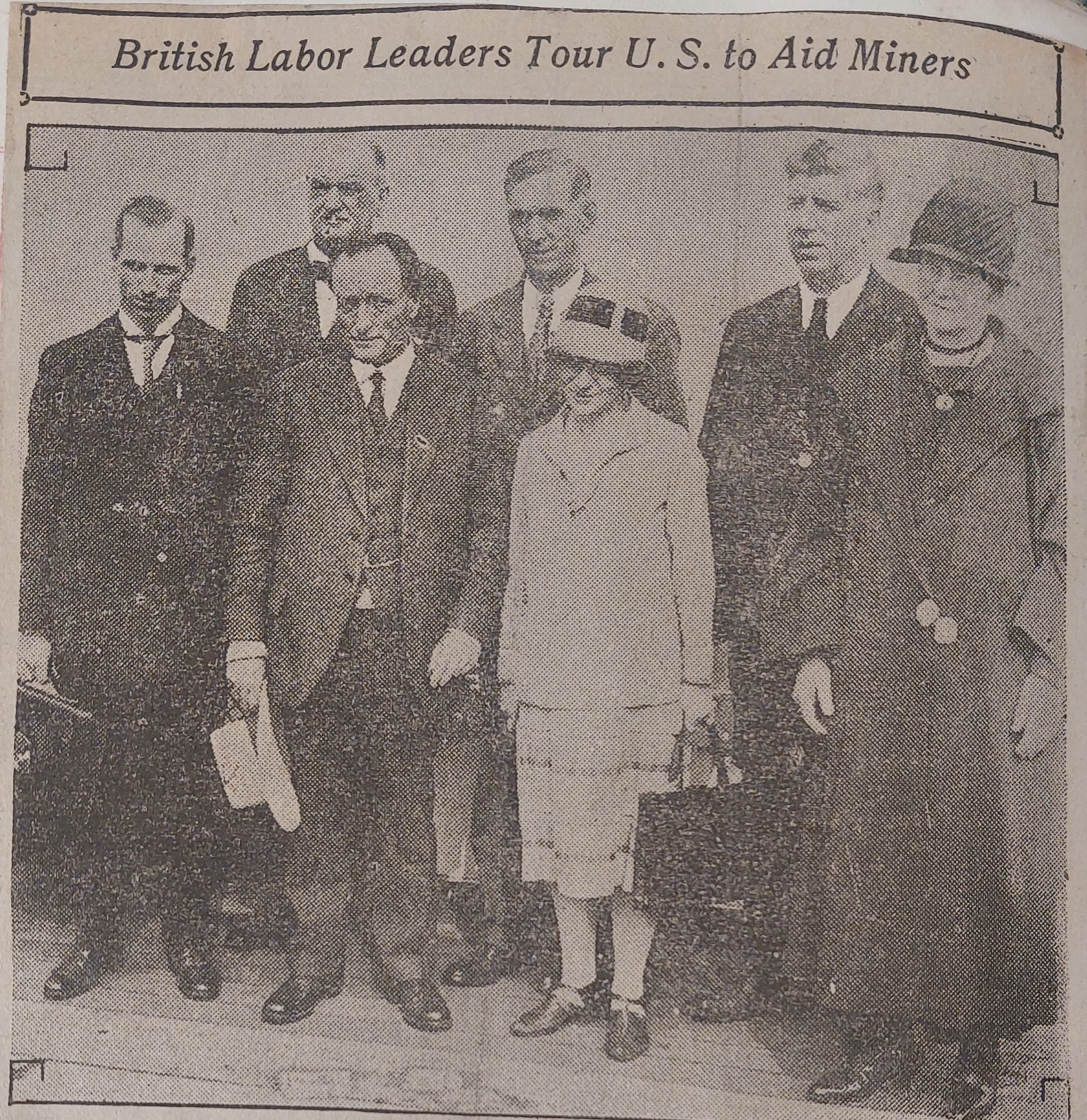
A grainy historical newspaper clipping featuring a group portrait of four men and two women standing outdoors. The men wear formal dark suits and ties, with one holding a light-colored hat. The women wear mid-length coats and cloche hats typical of late 1920s fashion. A headline printed across the top of the photo frame reads:
Twentieth Century Workers’ Rights Stories

‘The most dangerous man in Britain’

The gripping story of an MP’s radicalism, persecution and outspoken commitment to working class rights during the General Strike.
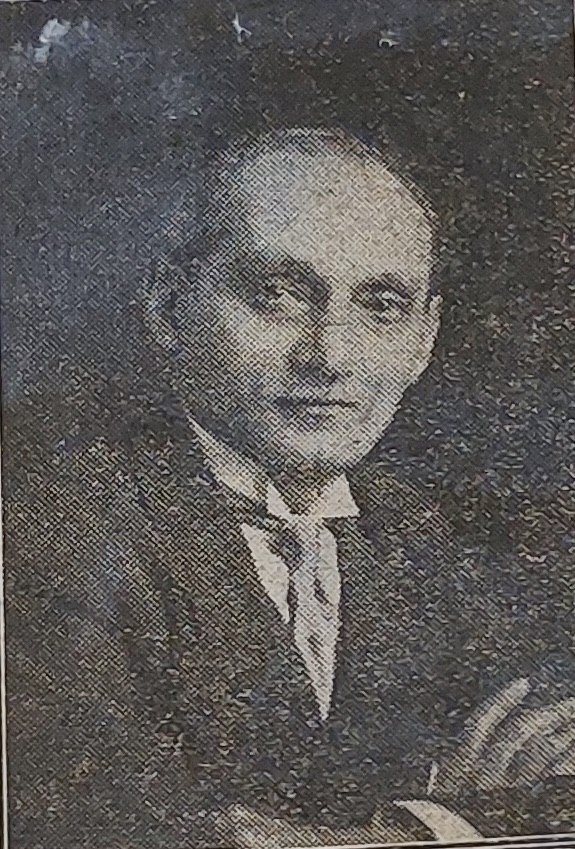
A historical black-and-white studio portrait of an Indian man with dark hair, a high forehead, and a slight smile. He is dressed in formal early-20th-century clothing, including a dark jacket, a white stiff collar shirt, and a wide silk or satin tie. The picture has a coarse, half-tone printing texture typical of old newspaper archival clippings.
Twentieth Century Workers’ Rights Stories

The women who sustained the miners’ strike

The extraordinary story of women’s activism in sustaining the miners’ long, cold lockout after the General Strike of 1926.
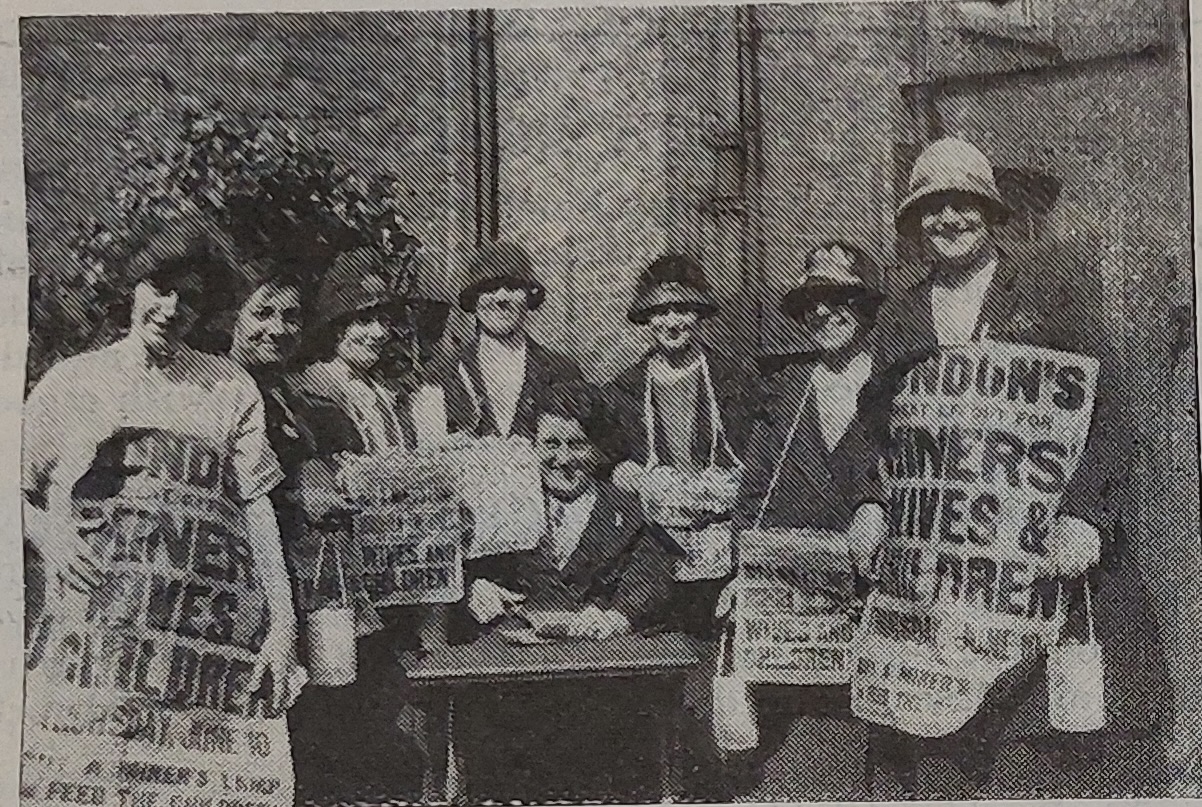
A grainy, archival black and white photograph showing a group of seven women standing together outdoors. They wear hats and coats typical of the 1920s. Two women on the outer edges hold large sandwich-board style signs, while others hold smaller signs and canisters for donations. The visible text on the signs reads
General Strike Stories

The workers who derailed the Flying Scotsman

The iconic story of the derailment of the Flying Scotsman train during the 1926 General Strike, told through the perspective of the miners who made it happen.
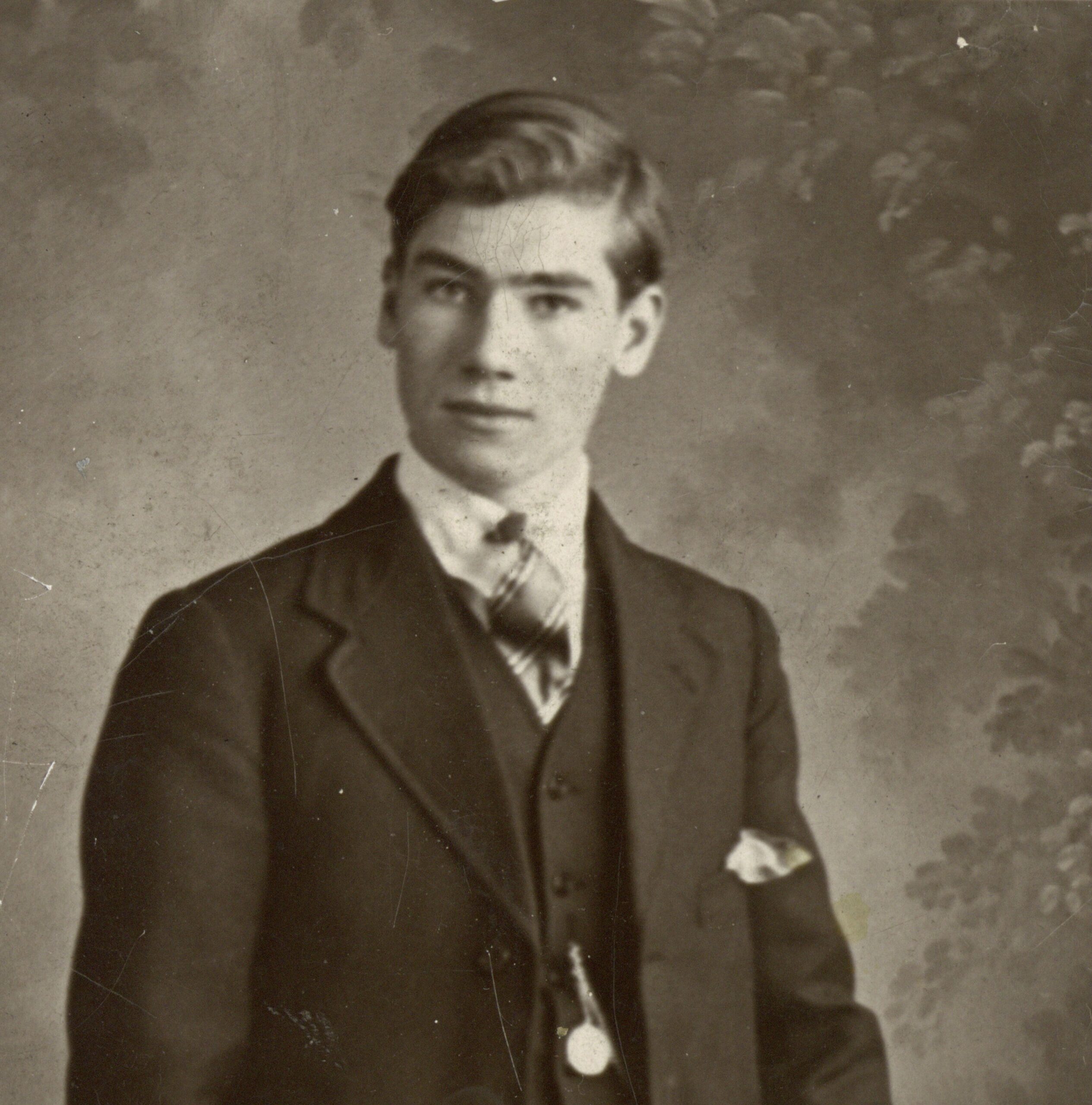
A vintage, sepia-toned studio photograph with a worn, aged border. The portrait shows a young man with combed hair, dressed in a formal dark three-piece suit, white collared shirt, and pattern-knotted tie. A pocket watch chain hangs across his waistcoat, and a pocket square peaks out from his jacket pocket. He stands against a mottled, painted nature backdrop, resting his left hand on the back of a wicker chair.
1965
Campaigns for racial equality Stories

Before Grunwick: Immigrant Workers’ Strikes in Britain 

This article offers a longer history of strikes by global majority workers in Britain to show your students that the solidarity seen at Grunwick was hard-won and by no means guaranteed.  
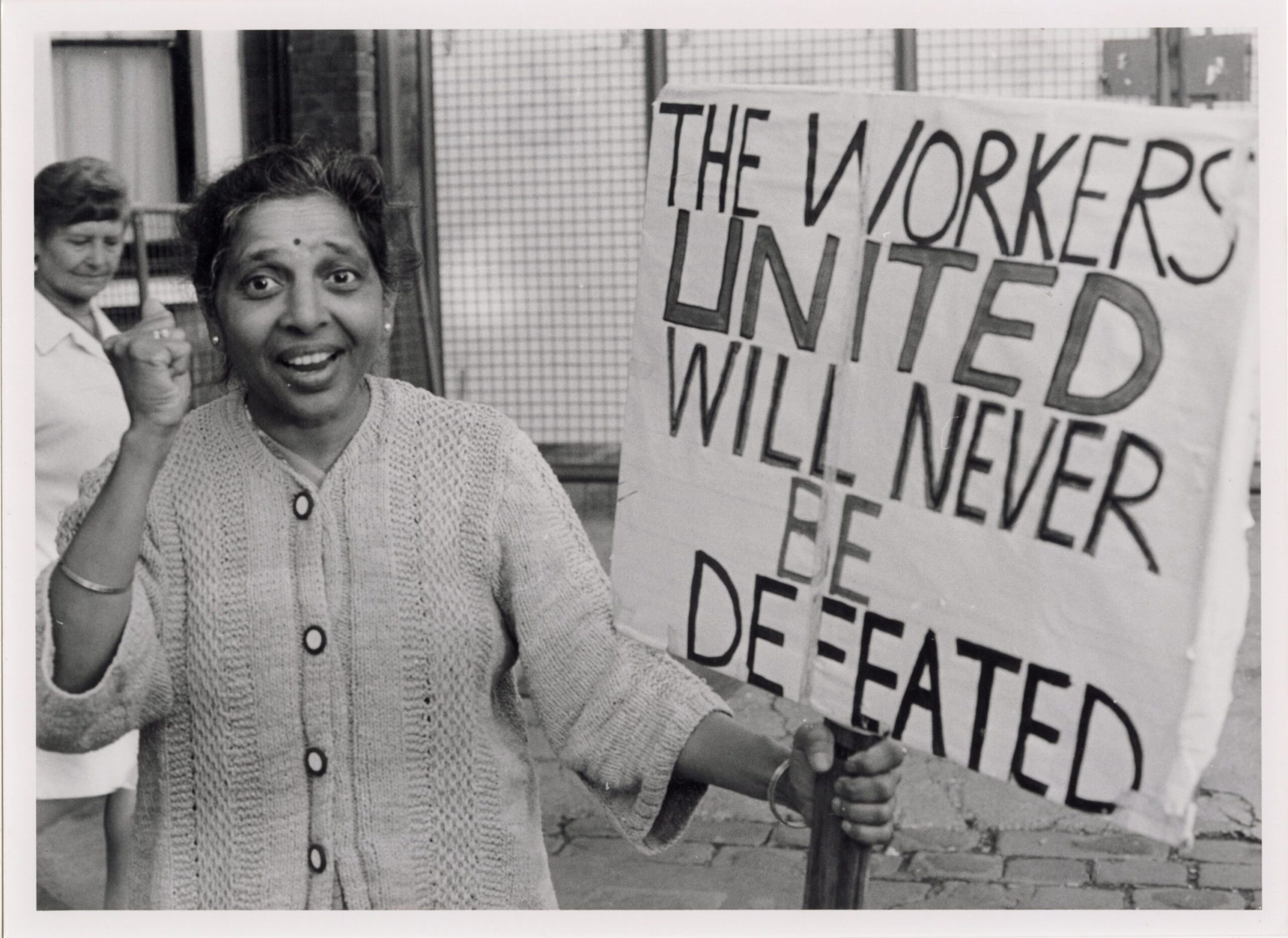
Black and white photograph of an older South Asian woman smiling and raising a clenched fist in solidarity. She holds a large, handwritten protest sign stating
1971
Campaigns for racial equality Stories

Elizabeth Anionwu and Sickle Cell Disease

Use this article on sickle cell disease to inform your teaching of Black and global majority rights in 20th century Britain.

Campaigns for racial equality Stories

The Huntleys and the Black Education Movement

Use this article on the Black Education Movement to inform your teaching of Black and global majority rights and protest in 20th century Britain.
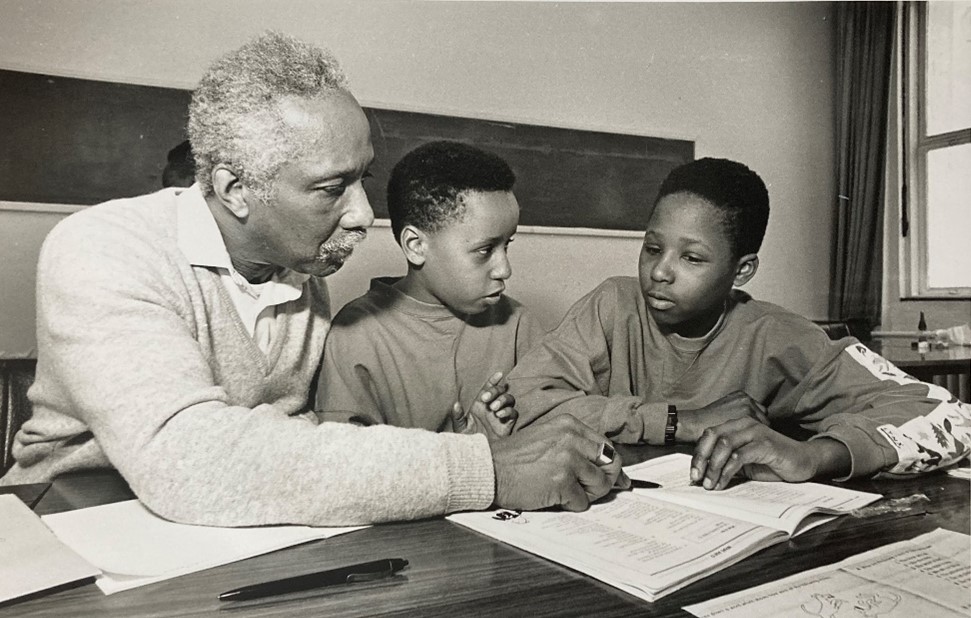
A candid black-and-white classroom photograph. On the left, an older Black man with grey hair, a mustache, and a light-colored V-neck sweater leans forward over a wooden desk. He points with a pen to a page in an open textbook, guiding two young Black schoolboys sitting next to him. The boys, both wearing sweaters, look intently down at the textbook, listening closely. A black pen rests on the table in the foreground, and a blank blackboard stretches across the background wall.
1974
Gender Equality Stories

Why be a wife? Mary McIntosh and the Fifth Demand of the Women’s Liberation Movement

Read this article on Mary McIntosh and the Fifth Demand of the women’s liberation movement to strengthen your teaching of women’s rights in Britain and marriage as a legal institution.
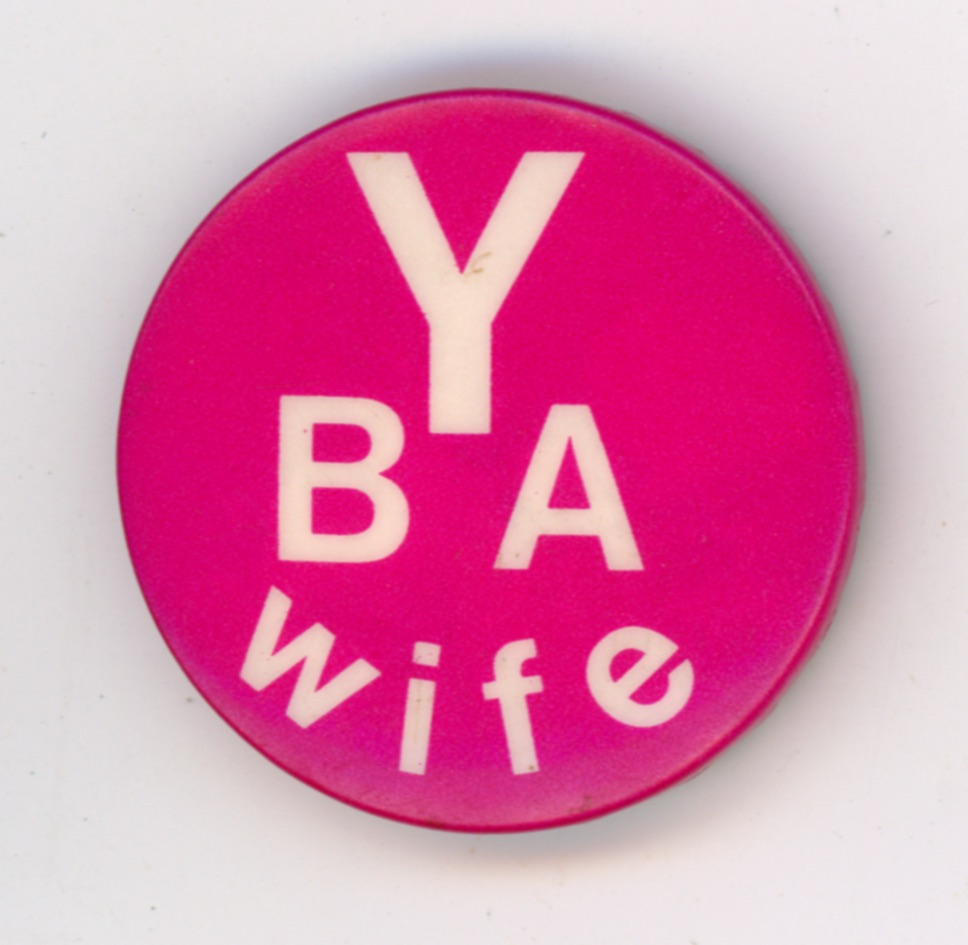
A top-down photograph of a circular pin-back badge with a solid magenta-pink background. Bold, sans-serif white text is arranged vertically in the center to spell out
1978
Gender Equality Sources

Seven Demands: How did women in Britain fight for their rights?

Seven sources to introduce the women’s liberation movement in Britain and the seven key demands they campaigned for over the course of the 1970s.
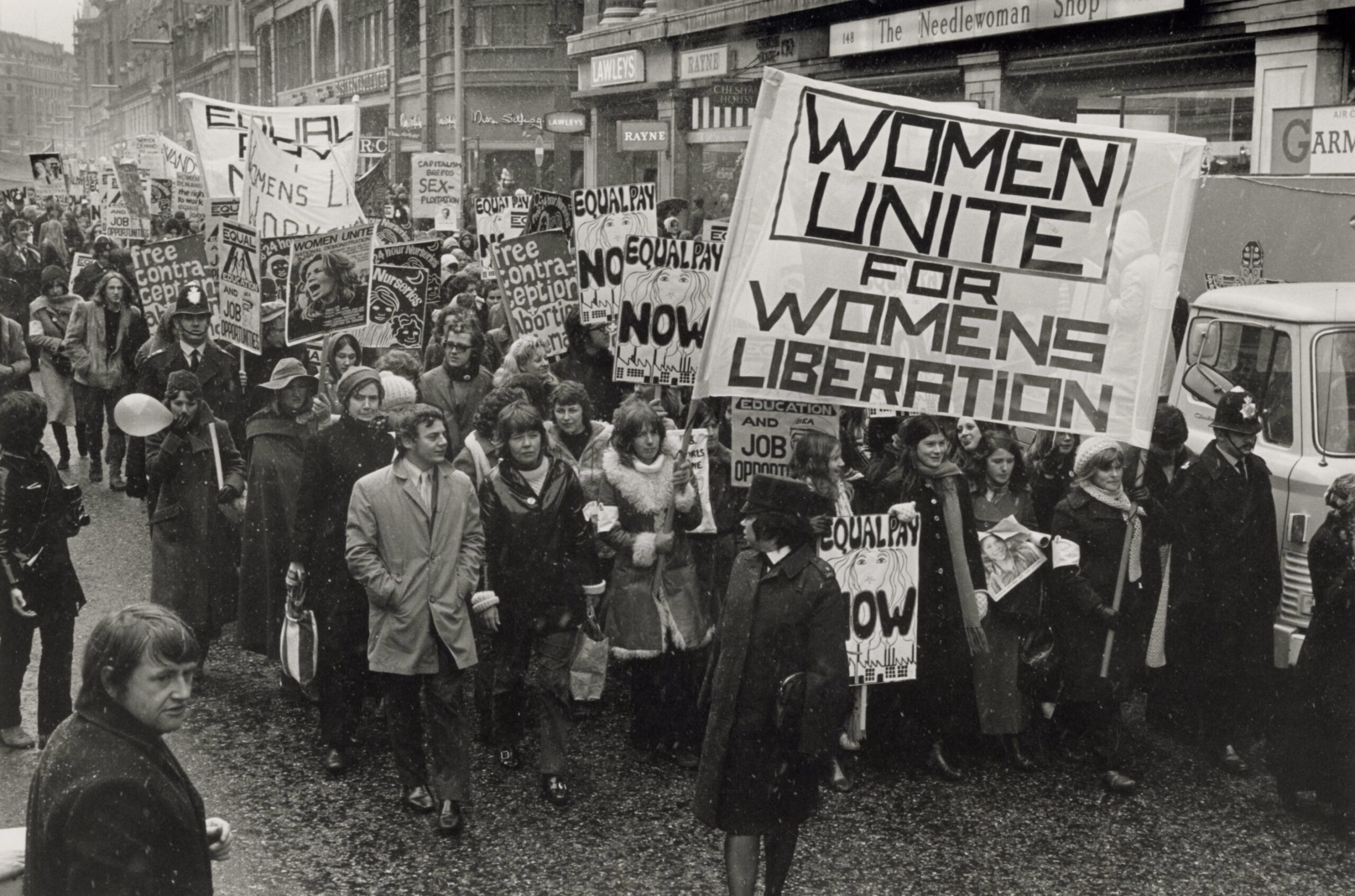
A historic black and white photograph capturing a dense crowd of women marching down a commercial city street during a protest. In the foreground on the right, protestors hold aloft a very large, prominent white banner that reads Women Unite for Womens Liberation in bold black block lettering. Surrounding marchers carry smaller signs advocating for free contraception, equal pay now, and nurseries, while onlookers and traditional storefronts like The Needlewoman Shop line the background street under a light snowfall or rain.
Gender Equality Stories

Stella Dadzie and the Organisation of Women of Asian and African Descent  

Deepen your teaching of the fight for women’s rights and Black and global majority rights in Britain with this story on Black women’s activist groups in 20th century Britain.
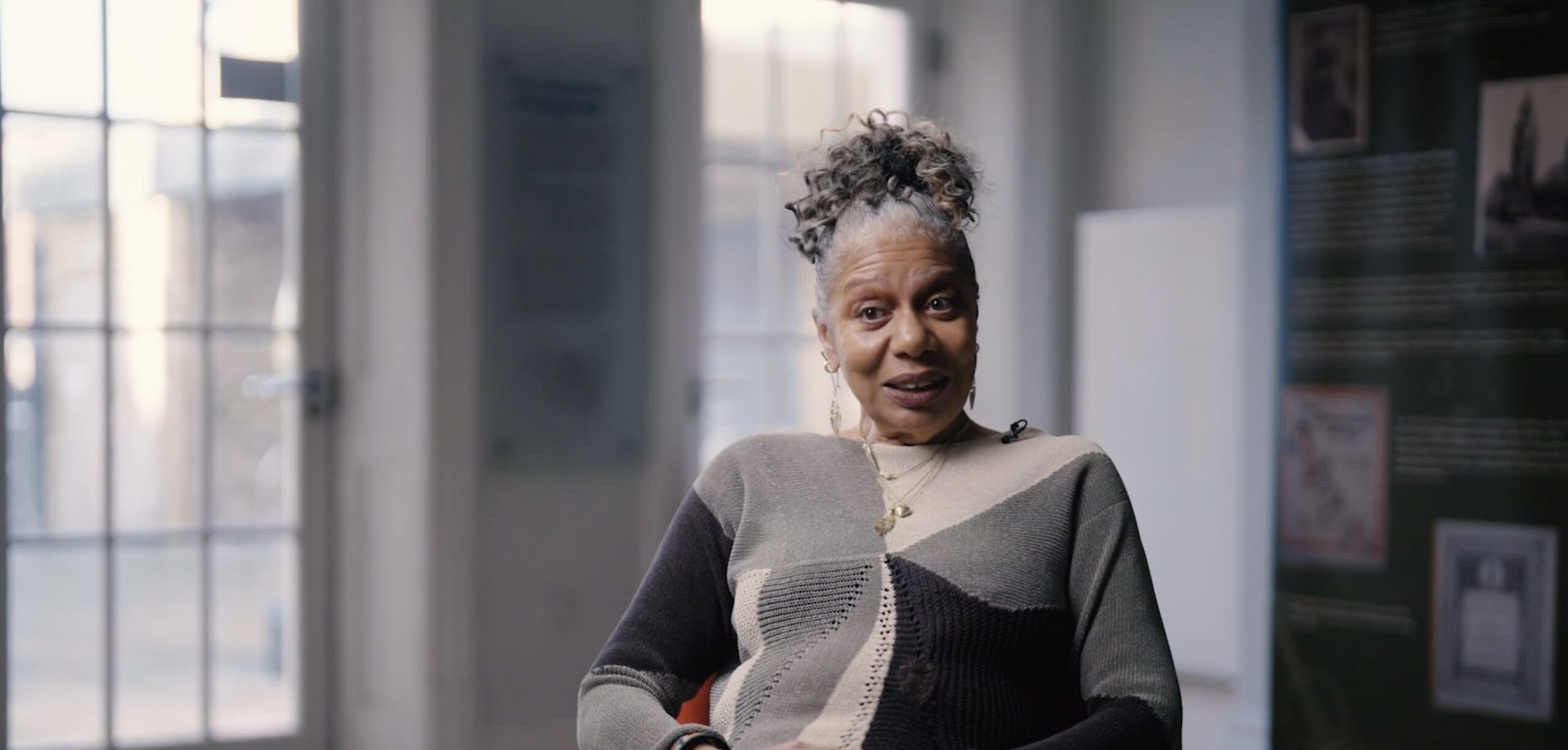
A medium shot of an older Black woman sitting in a chair, appearing to speak while smiling during an interview. She has her hair styled in a high, curly updo with grey streaks. She is wearing a long-sleeved, color-blocked sweater in shades of grey, black, and olive green, layered gold necklaces, and earrings. Her hands are clasped in her lap. The background is a softly blurred indoor setting with a large glass-paned door on the left and an exhibition banner on the right.
1981
Campaigns for racial equality Stories

The Scarman Report and Brixton Defence Campaign

Balance your teaching of the Scarman Report and the aftermath of the Brixton Uprising by reading about the Brixton Defence Campaign as a grassroots community response.
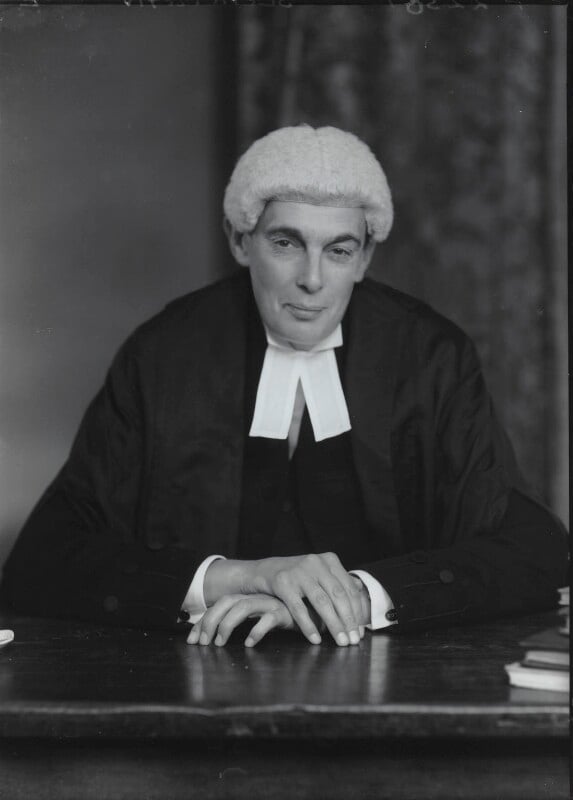
A black-and-white studio portrait of a white British judge from the mid-20th century. He is shown from the waist up, seated at a dark wooden table with hands gently clasped in front. He is wearing traditional legal attire, including a dark robe, white jabot collar bands, and a light-colored judicial wig. He looks directly toward the camera with a faint smile against a dark, softly lit background.
Campaigns for racial equality Stories

The New Cross Massacre and Black People’s Day of Action

Bring the largest contemporary protest for Black civil rights in Britain into your teaching of the lead up to the Brixton Uprising.
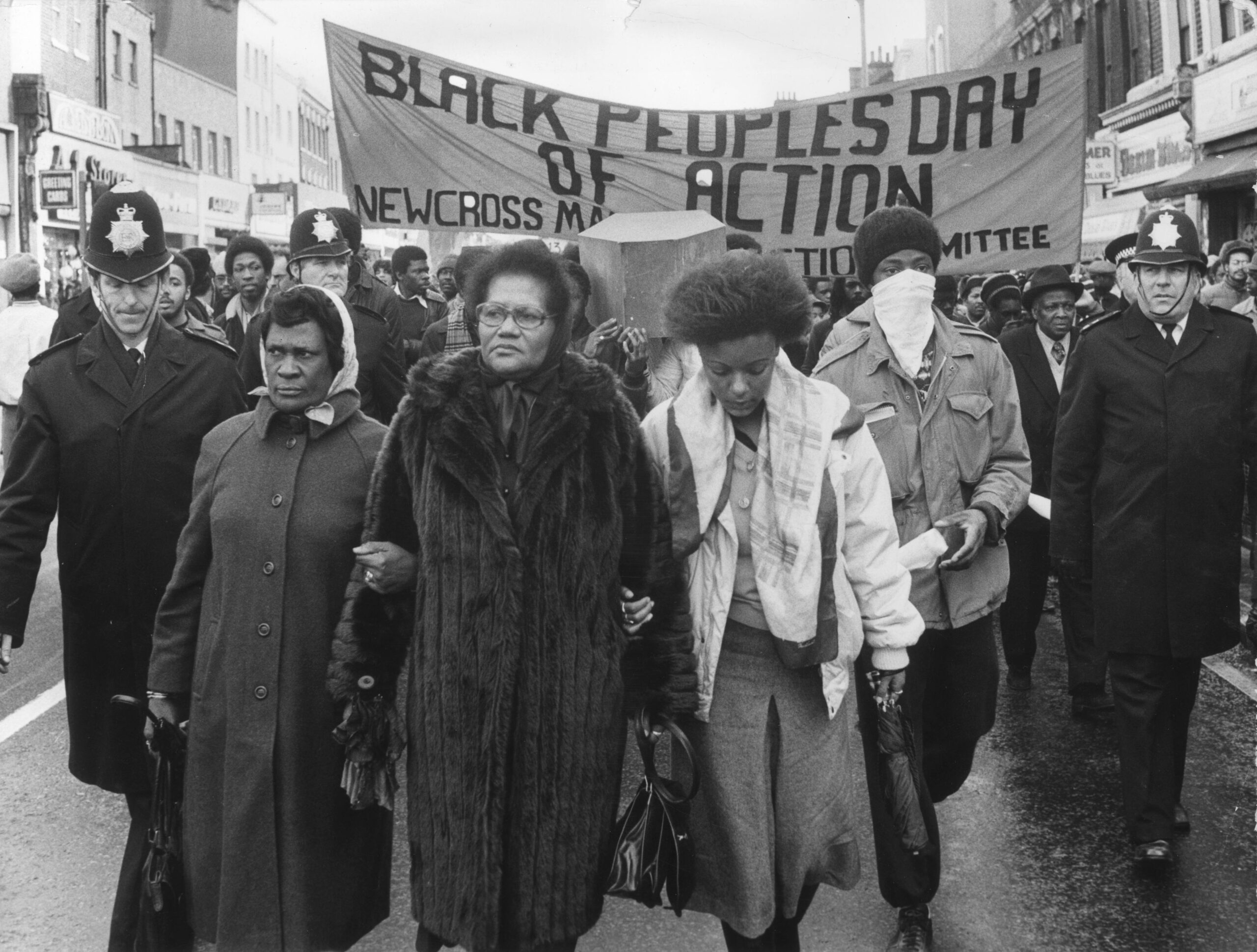
A black and white photograph captures a crowd of Black demonstrators marching down a city street during the
Campaigns for racial equality Stories

Mavis Best and the Scrap SUS Campaign

Strengthen your subject knowledge around the Brixton Uprising with the story of Black community activist Mavis Best and the Scrap SUS campaign, complete with teaching slides and classroom-ready resources.

A black and white photograph of a Black woman with cropped natural hair and glasses at an outdoor event. She is staring into the camera with a determined expression and wears a badge that reads 'race equality now'.
1984
Twentieth Century Workers’ Rights Stories

Black people’s support of the miners’ strike of 1984-85

The remarkable story of Black and Asian solidarity on and off the picket lines in the 1984-85 miners’ strike.
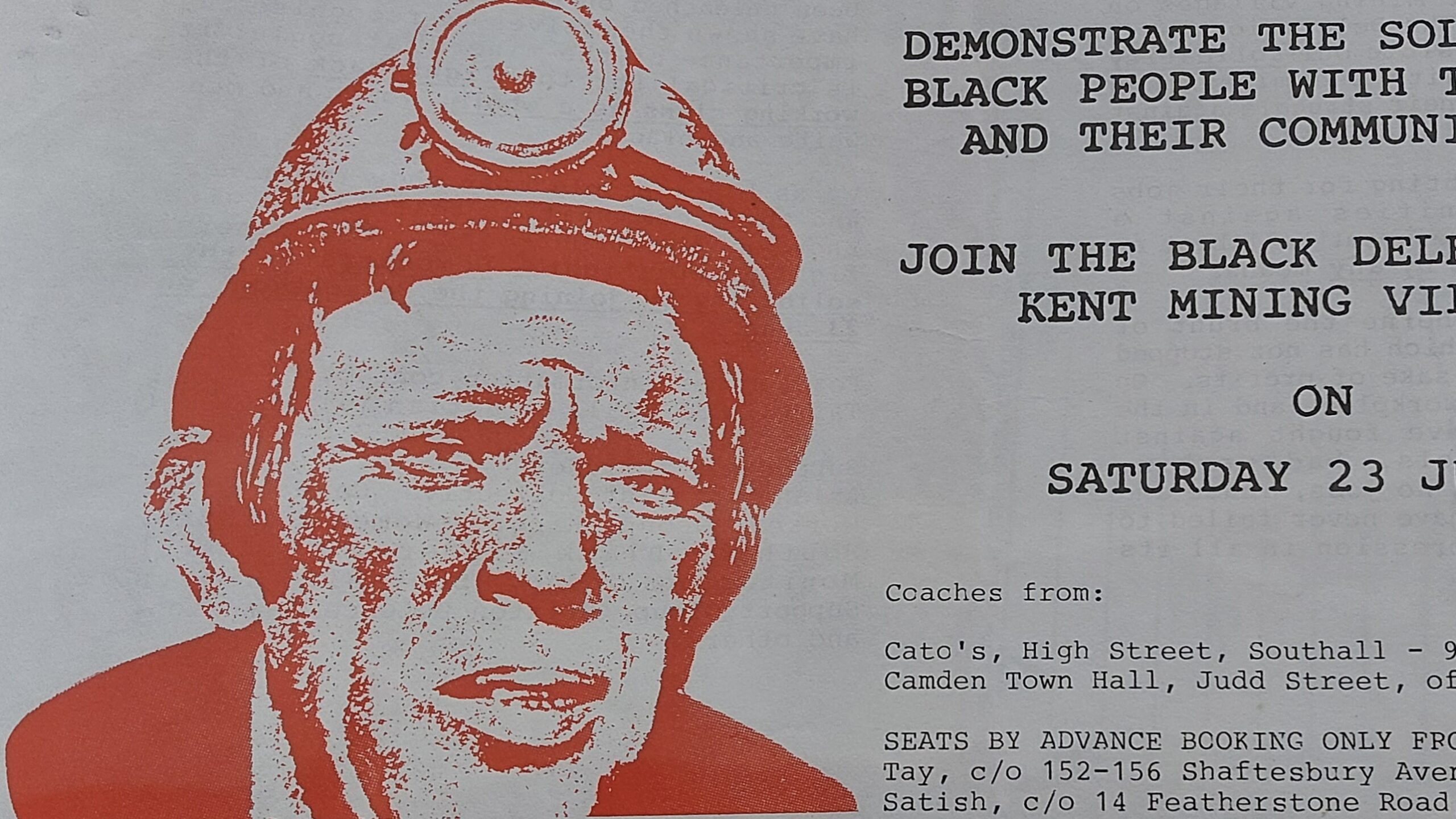
Leaflet calling for Black community support for striking miners and advertising a solidarity visit to Kent mining villages during the 1984-85 miners' strike. An image of a miner looking determined is printed in red on the left hand side.
[title]